


News: Mom Knows Best; How Maternal Messages Prime Seeds for Success.
Published 10AM EST, Fri Feb 13, 2026 The study in the journal PNAS addresses longstanding questions in biology: Can plants sense the environment directly in their developing seeds, or is seasonal information acquired by their parents somehow passed down to the seed?
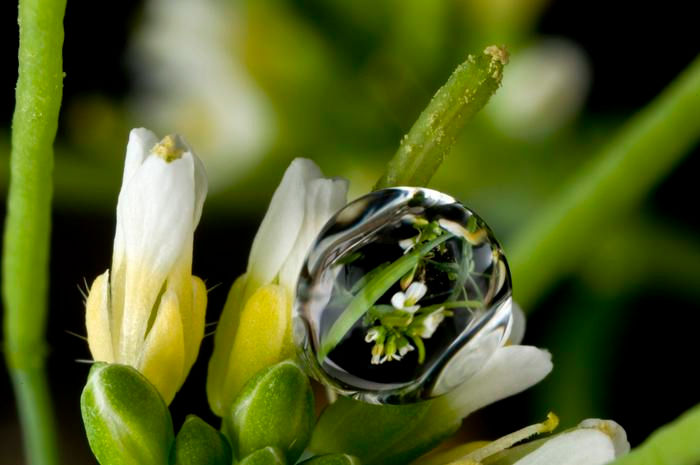
Research from the John Innes Centre and the Earlham Institute, published in Proceedings of the National Academy of Sciences, reveals that mother plants actively shape how their seeds respond to environmental conditions. Using the model plant Arabidopsis thaliana, scientists investigated whether seeds sense temperature directly or inherit environmental cues from their parent. They found that seasonal information, particularly temperature, is passed from mother to seed through hormonal signaling, effectively preparing offspring for the conditions they are likely to encounter.
The team discovered that levels of abscisic acid (ABA), a hormone that regulates seed dormancy, rise in maternal reproductive tissues when temperatures drop. In cooler conditions, this growth-inhibiting hormone is transported earlier and in higher amounts to developing seeds, triggering dormancy and preventing premature germination. In warmer temperatures, ABA accumulates more gradually and plays a reduced role in dormancy induction. Crucially, plants unable to produce ABA failed to induce dormancy in their seeds, confirming that maternal hormone transfer is key to this adaptive mechanism.
Advanced single-cell and spatial analysis technologies allowed researchers to observe hormone movement and activity at unprecedented resolution. By combining high-throughput single-cell sequencing and flow cytometry platforms, the team visualized how ABA moves from maternal tissues into individual seed cells and how those cells respond. This work demonstrates that plants can rapidly “pre-adapt” their offspring to environmental conditions without relying solely on long-term genetic evolution, offering new insights into intergenerational adaptation and crop resilience in a changing climate.
Cannabis cultivation, whether for medicinal, recreational, or industrial hemp markets, depends heavily on reliable germination rates and uniform crop performance. If mother plants exposed to cooler, nutrient-limited, or otherwise stressful conditions pass hormonal cues to their seeds, this could influence dormancy, sprouting times, and early vigor in the next generation. Understanding and potentially managing maternal environmental conditions in cannabis breeding programs could improve seed consistency, optimize germination timing, and enhance resilience to climate variability, key advantages for commercial growers seeking predictable yields and climate-smart production systems.
Source: EurekAlert


